Heavy-Duty Jacking Systems for Industrial Projects in India: Powering Safe and Efficient Lifting Solutions
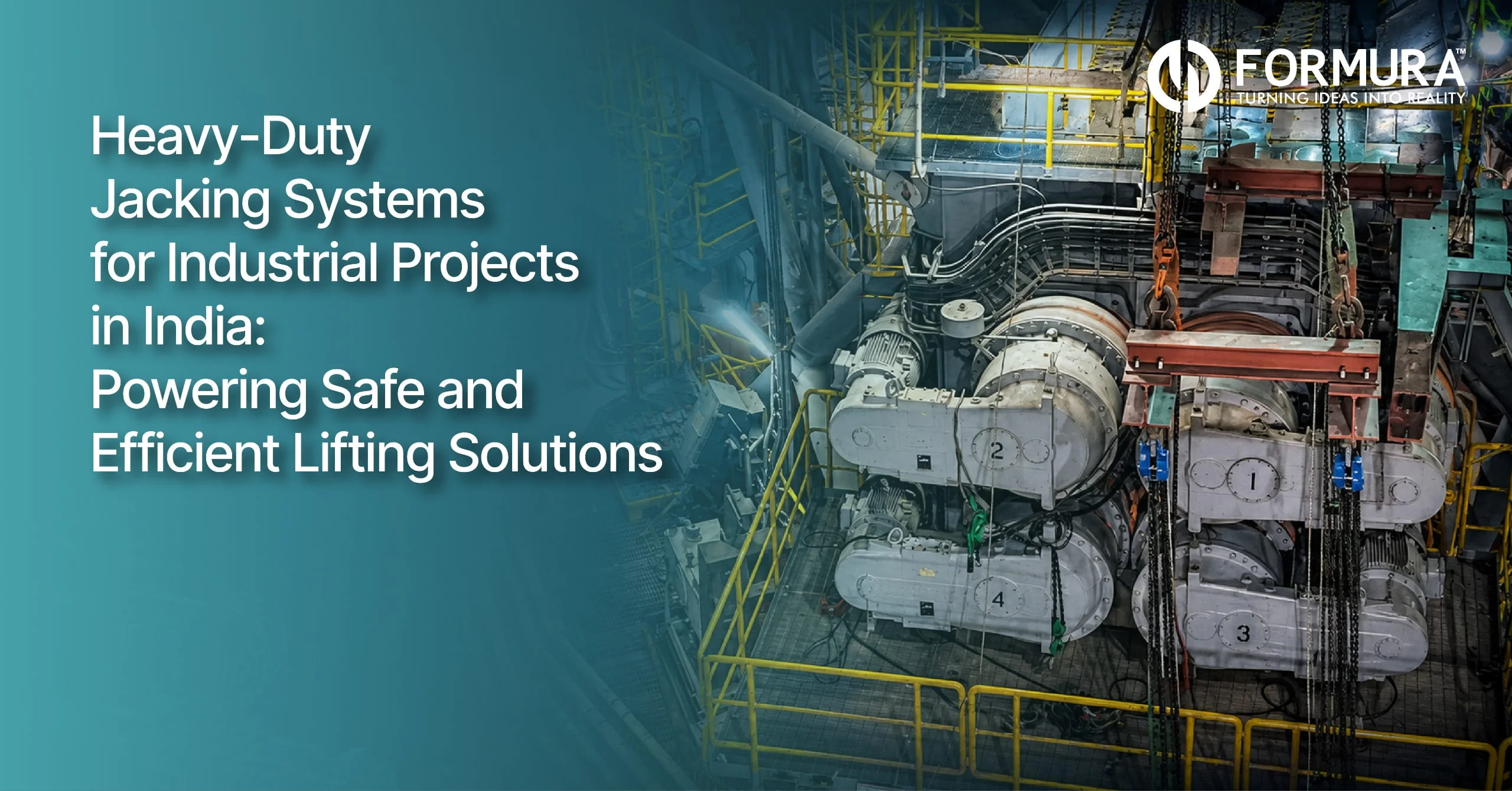
Introduction
India's rapid industrial growth has created an increasing demand for advanced lifting and positioning technologies. From large-scale infrastructure projects and manufacturing plants to bridge construction and heavy equipment installation, industries require reliable solutions capable of handling massive loads with precision and safety. This is where heavy-duty jacking systems play a crucial role.
Heavy-duty jacking systems are specialized lifting solutions designed to raise, lower, move, and position extremely heavy structures and equipment. Whether it is lifting a bridge segment, relocating industrial machinery, installing heavy turbines, or supporting maintenance operations in refineries, these systems provide the strength and accuracy needed to complete complex tasks efficiently.
As India continues investing in infrastructure development, renewable energy projects, transportation networks, and industrial expansion, heavy-duty jacking systems have become an essential component of modern engineering operations. In this article, we will explore what heavy-duty jacking systems are, their applications, features, benefits, and why they are increasingly important for industrial projects across India.
What Are Heavy-Duty Jacking Systems?
Heavy-duty jacking systems are hydraulic or mechanical lifting systems engineered to handle substantial loads ranging from a few tons to several thousand tons. These systems use powerful hydraulic cylinders, synchronized controls, pumps, and monitoring equipment to lift heavy structures safely and accurately.
Unlike conventional jacks used for smaller lifting applications, industrial jacking systems are specifically designed for large-scale operations where precision, load distribution, and safety are critical.
Modern jacking systems often incorporate computerized controls that allow multiple lifting points to operate simultaneously, ensuring balanced lifting even when dealing with irregular or extremely heavy loads.
Growing Demand for Jacking Systems in India
India's industrial and infrastructure sectors are expanding at an unprecedented pace. Large-scale projects such as highways, metro rail networks, power plants, ports, airports, and manufacturing facilities require specialized lifting solutions.
Several factors are driving the demand for heavy-duty jacking systems in India:
- Rapid infrastructure development
- Expansion of manufacturing industries
- Growth of renewable energy projects
- Bridge construction and rehabilitation
- Industrial plant maintenance
- Installation of heavy machinery
- Shipbuilding and marine engineering projects
As project complexity increases, traditional lifting methods are often insufficient. Heavy-duty jacking systems provide the precision and reliability needed to meet modern engineering challenges.
Key Applications of Heavy-Duty Jacking Systems
1. Bridge Construction and Rehabilitation
Bridge construction often involves lifting massive concrete segments, steel girders, and structural components. Jacking systems help engineers position these elements accurately while maintaining safety throughout the operation.
Bridge rehabilitation projects also rely on jacking systems to lift existing structures during repairs or replacements.
2. Industrial Plant Installation
Manufacturing facilities frequently require the installation of large machinery, presses, reactors, generators, and production equipment. Heavy-duty jacking systems enable safe positioning of these expensive assets without causing damage.
3. Power Generation Projects
Power plants involve the installation of turbines, transformers, generators, and other heavy components. Precision lifting is essential to ensure proper alignment and operational efficiency.
4. Oil and Gas Industry
Refineries and petrochemical plants use jacking systems during equipment maintenance, replacement, and expansion projects. These systems help minimize downtime while improving worker safety.
5. Renewable Energy Infrastructure
Wind turbine installation often requires lifting large tower sections and equipment components. Heavy-duty hydraulic systems make these operations more manageable and accurate.
6. Shipbuilding and Marine Applications
Shipyards use industrial jacking systems for vessel maintenance, dry dock operations, and movement of heavy marine structures.
Features of Heavy-Duty Jacking Systems
Modern heavy-duty jacking systems are designed with advanced technology to deliver exceptional performance. Here are some of their key features:
High Load Capacity
One of the most significant features is the ability to lift extremely heavy loads. Depending on the application, these systems can handle loads ranging from a few tons to thousands of tons.
Synchronized Lifting Technology
Advanced systems utilize synchronized hydraulic controls that ensure multiple lifting points move simultaneously. This prevents uneven lifting and reduces structural stress.
Precision Control
Operators can control lifting speed, positioning, and load distribution with remarkable accuracy, ensuring safer operations.
Robust Construction
Heavy-duty jacking equipment is built using high-strength materials capable of withstanding harsh industrial environments and continuous use.
Remote Monitoring
Many modern systems include digital monitoring and control interfaces that provide real-time information about load distribution, lifting progress, and system performance.
Safety Mechanisms
Integrated safety features such as overload protection, emergency stop functions, pressure monitoring, and automatic locking systems help prevent accidents.
Modular Design
Many jacking systems feature modular components that can be customized according to project requirements, offering greater flexibility.
Benefits of Heavy-Duty Jacking Systems for Industrial Projects
Enhanced Safety
Safety is one of the biggest concerns in any industrial lifting operation. Heavy-duty jacking systems are designed with multiple safety layers that help protect workers, equipment, and structures.
Controlled lifting minimizes the risk of load shifting, structural instability, and accidents that may occur with less advanced lifting methods.
Increased Efficiency
Traditional lifting methods can be time-consuming and labor-intensive. Modern hydraulic jacking systems streamline operations, reducing project timelines and improving productivity.
Faster lifting and positioning mean projects can stay on schedule and avoid costly delays.
Improved Precision
Many industrial projects require precise alignment of heavy components. Heavy-duty jacking systems allow operators to achieve millimeter-level accuracy, ensuring optimal installation and structural integrity.
Reduced Downtime
Industries such as manufacturing, power generation, and oil and gas often operate under tight schedules. Efficient lifting solutions help reduce maintenance and installation downtime, minimizing operational disruptions.
Cost Savings
Although advanced jacking systems require an initial investment, they often generate substantial long-term savings by reducing labor costs, improving efficiency, preventing equipment damage, and minimizing project delays.
Versatility
Heavy-duty jacking systems can be adapted for a wide range of applications across multiple industries, making them a valuable asset for contractors and industrial operators.
Why Hydraulic Jacking Systems Are Preferred
Hydraulic jacking systems have become the preferred choice for most industrial projects due to their superior lifting capabilities and precision.
Some advantages include:
- Smooth and controlled lifting
- High lifting force with compact equipment
- Excellent load distribution
- Greater reliability
- Enhanced operational safety
- Easy integration with synchronized control systems
These benefits make hydraulic solutions ideal for demanding industrial applications throughout India.
Choosing the Right Heavy-Duty Jacking System
Selecting the right jacking system depends on several factors.
Load Requirements
Understanding the total weight and load distribution is essential for selecting appropriate lifting equipment.
Project Environment
Factors such as temperature, workspace constraints, ground conditions, and accessibility can influence system selection.
Lifting Height
Different projects require varying lifting heights. Choosing equipment capable of meeting these requirements is crucial.
Safety Standards
Ensure that the system complies with industry safety regulations and includes adequate safety features.
Control Requirements
Projects involving complex lifting operations often benefit from synchronized hydraulic systems with advanced monitoring capabilities.
Service and Support
Reliable technical support, maintenance services, and operator training can significantly impact project success.
The Future of Heavy-Duty Jacking Systems in India
India's industrial future looks promising, with ongoing investments in infrastructure, transportation, renewable energy, and manufacturing. As projects become larger and more complex, the need for advanced lifting technologies will continue to grow.
Emerging trends include:
- Smart lifting systems with digital monitoring
- Automated load balancing technologies
- IoT-enabled equipment management
- Enhanced safety analytics
- Remote operation capabilities
- Environmentally efficient hydraulic systems
These innovations are expected to improve operational efficiency while further reducing safety risks.
Conclusion
Heavy-duty jacking systems have become indispensable for modern industrial projects in India. Their ability to lift massive loads safely, accurately, and efficiently makes them a preferred solution across industries such as construction, manufacturing, energy, transportation, oil and gas, and marine engineering.
As India continues its journey toward industrial and infrastructure excellence, the demand for reliable lifting technologies will only increase. By investing in advanced heavy-duty hydraulic jacking systems, businesses can improve safety, enhance productivity, reduce project timelines, and achieve superior project outcomes.
Whether it's installing heavy machinery, rehabilitating bridges, maintaining industrial plants, or supporting large-scale infrastructure developments, heavy-duty jacking systems provide the strength, precision, and reliability needed to meet today's engineering challenges and tomorrow's opportunities.