Industrial Gearbox Applications in Manufacturing in India: Driving Efficiency, Productivity, and Growth
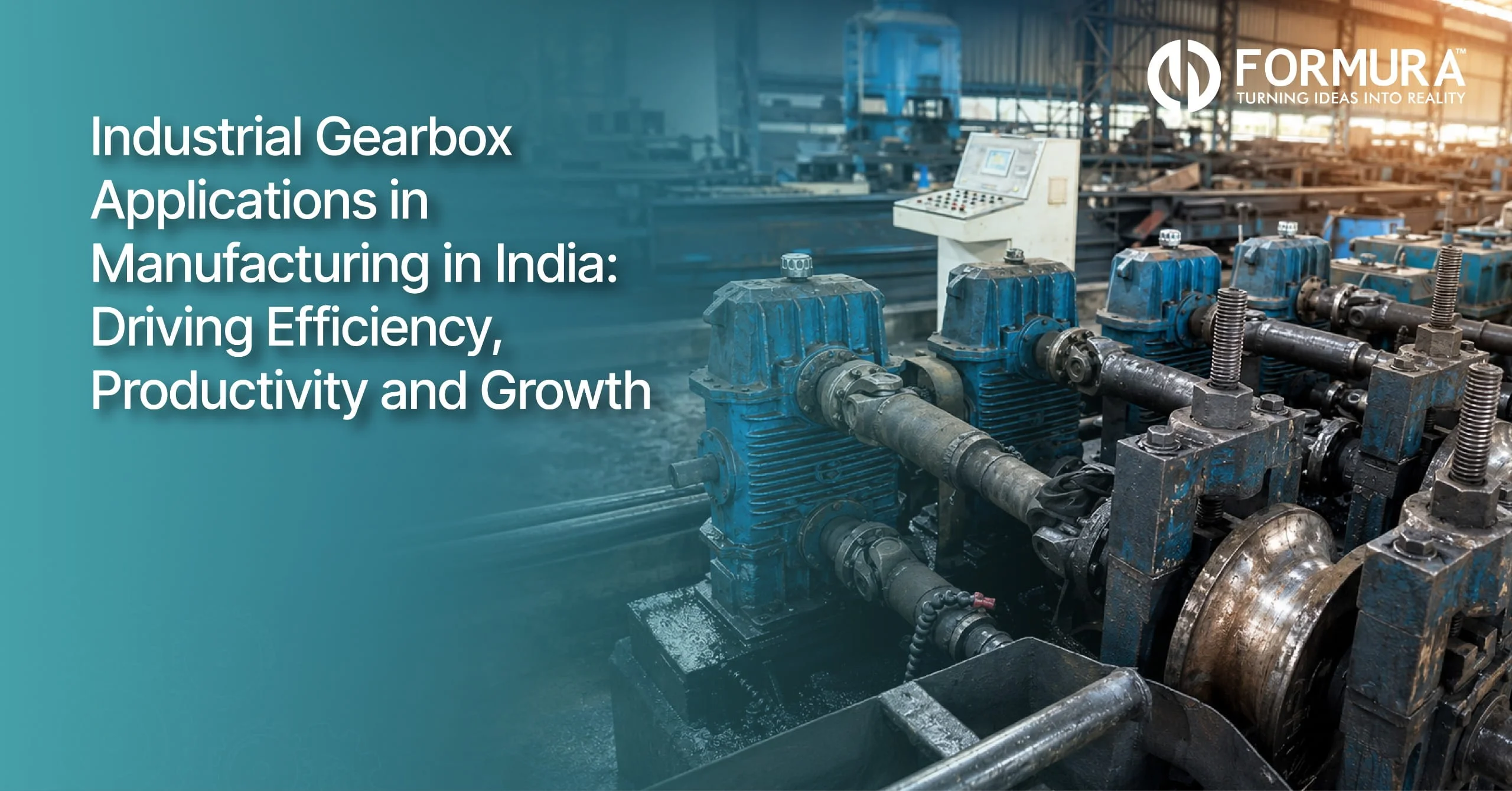
India's manufacturing industry has witnessed remarkable growth over the past decade. From automotive and steel production to cement, textiles, food processing, and renewable energy, manufacturers across the country are embracing advanced technologies to improve productivity and remain competitive in global markets. At the heart of many industrial operations lies a critical mechanical component that often goes unnoticed but plays a vital role in ensuring smooth operations—the industrial gearbox.
Industrial gearboxes are essential power transmission devices that help machinery operate efficiently by controlling speed, torque, and rotational direction. Whether it is a conveyor system in a cement plant or a mixer in a food processing facility, industrial gearboxes enable machines to perform demanding tasks with precision and reliability.
In this blog, we will explore the various applications of industrial gearboxes in manufacturing in India, their key features, and the benefits they bring to modern industrial operations.
What is an Industrial Gearbox in India?
An industrial gearbox is a mechanical device that transfers power from a motor to machinery while modifying torque and speed according to operational requirements. It consists of multiple gears arranged within a housing, allowing the machine to function efficiently under varying loads and working conditions.
Industrial gearboxes are designed to handle high torque, continuous operation, and harsh industrial environments. They are available in various configurations such as:
- Helical Gearboxes
- Worm Gearboxes
- Planetary Gearboxes
- Bevel Helical Gearboxes
- Spur Gearboxes
- Parallel Shaft Gearboxes
Each type is engineered to meet specific industrial requirements, making them indispensable across multiple manufacturing sectors.
Importance of Industrial Gearboxes in Indian Manufacturing
India's manufacturing landscape is becoming increasingly automated. As factories adopt advanced machinery and automation systems, the demand for reliable power transmission solutions continues to grow.
Industrial gearboxes contribute significantly by:
- Enhancing machine efficiency
- Optimizing energy consumption
- Supporting heavy-duty operations
- Improving production quality
- Reducing downtime and maintenance costs
Without gearboxes, many manufacturing processes would struggle to achieve the required speed, torque, and precision needed for efficient production.
Major Industrial Gearbox Applications in Manufacturing Industries in India
1. Cement Manufacturing Industry
The cement industry is one of the largest consumers of industrial gearboxes in India. Cement production involves multiple stages, including raw material handling, grinding, mixing, and packaging.
Industrial gearboxes are commonly used in:
- Conveyor belt systems
- Rotary kilns
- Ball mills
- Crushers
- Material handling equipment
These gearboxes provide the torque required to move heavy materials continuously while ensuring smooth and efficient operation.
Benefits in Cement Manufacturing
- Improved material handling efficiency
- Reduced equipment wear and tear
- Consistent production output
- Enhanced operational reliability
2. Steel and Metal Processing Industry
Steel plants operate under extreme conditions and require heavy-duty machinery capable of handling substantial loads. Industrial gearboxes play a critical role in ensuring uninterrupted production.
Applications include:
- Rolling mills
- Continuous casting equipment
- Material transfer systems
- Cooling bed drives
- Shearing machines
Gearboxes help control the speed and force required during metal shaping and processing operations.
Benefits in Steel Manufacturing
- High torque transmission
- Better load management
- Increased production efficiency
- Reduced operational disruptions
3. Food Processing Industry
India's food processing sector is rapidly expanding, driven by increasing consumer demand and export opportunities. Food manufacturers require precision machinery for processing, mixing, packaging, and conveying products.
Industrial gearboxes are used in:
- Mixing equipment
- Packaging lines
- Conveyor systems
- Bakery machinery
- Beverage production units
Special food-grade gearboxes are designed to meet hygiene and safety standards.
Benefits in Food Processing
- Precise speed control
- Consistent product quality
- Hygienic operation
- Lower maintenance requirements
4. Textile Manufacturing Industry
India is one of the world's largest textile producers. Textile manufacturing involves high-speed operations that demand reliable power transmission systems.
Gearboxes are utilized in:
- Spinning machines
- Weaving machines
- Dyeing equipment
- Fabric processing units
- Printing machinery
These applications require accurate speed control to maintain fabric quality and production consistency.
Benefits in Textile Manufacturing
- Improved machine performance
- Reduced vibration and noise
- Enhanced fabric quality
- Greater production efficiency
5. Mining and Material Handling Industry
Mining operations require rugged equipment capable of operating in harsh environments. Industrial gearboxes are critical for handling heavy loads and continuous operation.
Applications include:
- Crushers
- Conveyor systems
- Excavators
- Bucket wheel reclaimers
- Material transport systems
Gearboxes ensure smooth operation even under extreme stress and heavy workloads.
Benefits in Mining Operations
- High load-bearing capacity
- Reliable performance
- Reduced downtime
- Extended equipment lifespan
6. Automotive Manufacturing Industry
India's automotive sector is one of the largest contributors to manufacturing GDP. Modern automotive plants rely heavily on automation and robotic systems.
Industrial gearboxes are used in:
- Assembly lines
- Robotic arms
- Conveyor systems
- Welding stations
- Material handling equipment
These systems require precise motion control and consistent performance.
Benefits in Automotive Manufacturing
- Increased automation efficiency
- Enhanced production speed
- Better product consistency
- Lower operational costs
7. Pharmaceutical Manufacturing
Precision and reliability are critical in pharmaceutical production. Gearboxes help maintain accurate machine operation across various manufacturing stages.
Applications include:
- Tablet production machines
- Packaging equipment
- Mixing systems
- Conveyor lines
- Filling machines
Benefits in Pharmaceutical Manufacturing
- High operational accuracy
- Consistent production quality
- Reduced contamination risks
- Improved process control
8. Renewable Energy and Wind Power
India's renewable energy sector is expanding rapidly, particularly in wind energy generation. Industrial gearboxes play a vital role in wind turbine operation.
Applications include:
- Wind turbines
- Power transmission systems
- Auxiliary equipment drives
These gearboxes help convert low-speed turbine rotation into usable electrical energy.
Benefits in Renewable Energy
- Enhanced energy conversion efficiency
- Reliable performance
- Long service life
- Reduced maintenance requirements
Key Features of Modern Industrial Gearboxes in India
High Torque Capacity
Industrial gearboxes are designed to handle substantial loads and provide the torque needed for demanding industrial applications.
Robust Construction
Manufactured using high-strength materials, industrial gearboxes can withstand harsh operating environments and continuous usage.
Precision Engineering
Modern gearboxes are engineered with advanced manufacturing techniques to ensure accurate speed and torque transmission.
Energy Efficiency
Efficient gear design minimizes power loss and improves overall machine performance.
Compact Design
Many industrial gearboxes offer high power density, enabling manufacturers to save valuable floor space.
Low Maintenance Requirements
Advanced lubrication systems and durable components reduce maintenance frequency and operational disruptions.
Long Operational Life
Quality industrial gearboxes are designed for years of reliable service, providing excellent return on investment.
Benefits of Industrial Gearboxes in Manufacturing
Improved Productivity
By delivering precise speed and torque control, industrial gearboxes enable machinery to operate efficiently and consistently, increasing production output.
Enhanced Energy Efficiency
Energy-efficient gearboxes reduce power consumption, helping manufacturers lower electricity costs and improve sustainability.
Reduced Downtime
Reliable gearbox performance minimizes unexpected breakdowns and production interruptions.
Better Equipment Protection
Gearboxes absorb shock loads and distribute power effectively, protecting expensive machinery components from damage.
Cost Savings
Lower maintenance costs, reduced energy consumption, and increased equipment lifespan contribute to significant long-term savings.
Increased Operational Flexibility
Industrial gearboxes can be customized to suit specific manufacturing requirements, making them suitable for a wide range of applications.
Improved Product Quality
Consistent machine performance results in higher product quality and reduced defects.
Choosing the Right Industrial Gearbox
Selecting the appropriate gearbox depends on several factors:
Load Requirements
Evaluate the torque and power requirements of the application.
Operating Environment
Consider factors such as temperature, dust, moisture, and exposure to chemicals.
Speed Requirements
Determine the input and output speed needed for optimal machine performance.
Efficiency Goals
Choose a gearbox that offers high efficiency to reduce energy consumption.
Maintenance Considerations
Select gearboxes with reliable lubrication systems and easy maintenance access.
Manufacturer Reputation
Partnering with a trusted gearbox manufacturer ensures quality, performance, and long-term support.
Future of Industrial Gearboxes in India
As India moves toward Industry 4.0 and smart manufacturing, industrial gearboxes are evolving to meet new technological demands. Modern gearboxes are increasingly being integrated with:
- IoT-enabled monitoring systems
- Predictive maintenance technologies
- Smart sensors
- Energy-efficient designs
- Automation platforms
These innovations help manufacturers improve operational visibility, reduce downtime, and optimize production processes.
With government initiatives such as Make in India and increasing investments in manufacturing infrastructure, the demand for advanced industrial gearboxes is expected to grow significantly in the coming years.
Conclusion
Industrial gearboxes are the backbone of countless manufacturing operations across India. From cement plants and steel mills to textile factories and food processing units, these essential power transmission systems help industries achieve higher productivity, efficiency, and reliability.
By providing precise speed control, high torque transmission, and long-term durability, industrial gearboxes contribute directly to operational success and business growth. As manufacturing technologies continue to advance, the role of industrial gearboxes will become even more critical in supporting India's journey toward becoming a global manufacturing powerhouse.
For manufacturers looking to improve machine performance, reduce operational costs, and maximize productivity, investing in the right industrial gearbox is not just an option, it is a strategic business decision.