Jacking System Maintenance Checklist in India: A Complete Guide for Safe and Reliable Operations
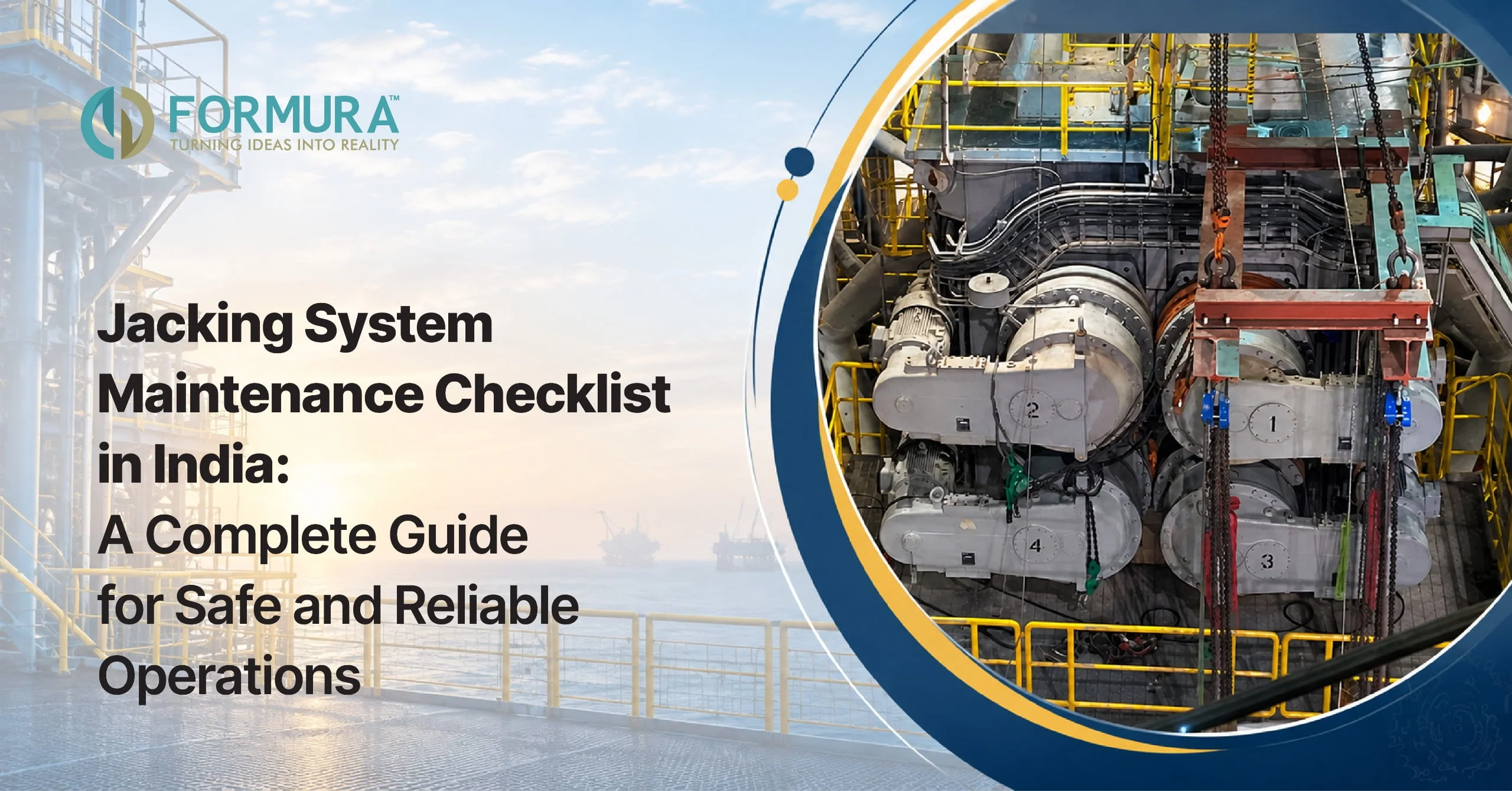
Jacking systems play an important role in heavy lifting, industrial construction, offshore projects, shipyards, infrastructure development, and other demanding engineering applications. These systems are built to handle substantial loads, but even the most robust equipment needs regular care.
A small hydraulic leak, worn seal, damaged hose, inaccurate pressure reading, or poorly maintained component can turn into a major operational problem when the equipment is working under heavy loads. That is why having a proper jacking system maintenance checklist in India is so important.
Regular maintenance does more than keep equipment running. It helps improve reliability, reduce unexpected downtime, extend equipment life, and support safer lifting operations. Whether you operate hydraulic jacking systems in a factory, shipyard, construction site, offshore facility, or heavy engineering project, a structured maintenance routine can make a significant difference. This guide explains the key maintenance checks, features, benefits, common problems, inspection frequency, and best practices businesses should consider when maintaining jacking systems in India.
What Is a Jacking System?
A jacking system is a mechanical or hydraulic arrangement designed to lift, lower, support, position, or level heavy loads. Hydraulic jacking systems commonly use components such as:
- Hydraulic cylinders
- Hydraulic pumps
- Power units
- Hydraulic hoses
- Valves
- Control systems
- Pressure gauges
- Load cells
- Sensors
- Hydraulic oil reservoirs
- Couplings and fittings
- Mechanical supports or locking systems
Depending on the application, several hydraulic cylinders may work together to lift a large structure in a controlled and synchronized manner. These systems can be found in industries such as:
- Heavy engineering
- Oil and gas
- Shipbuilding
- Offshore construction
- Infrastructure
- Steel manufacturing
- Power generation
- Renewable energy
- Industrial maintenance
- Heavy equipment installation
Because jacking systems often operate under significant loads and pressures, preventive maintenance should be treated as an essential part of the equipment lifecycle.
Why Is Jacking System Maintenance Important?
Imagine using a hydraulic jacking system that has not been properly inspected for months. The equipment may look fine from the outside, but internally, seals could be deteriorating, hydraulic oil could be contaminated, hoses could be weakening, or pressure readings could become inaccurate.
These issues may remain unnoticed until the system is placed under load. Regular maintenance helps identify these problems before they become serious. A good maintenance program can help businesses:
- Reduce unexpected equipment failure
- Improve operational reliability
- Increase equipment service life
- Maintain hydraulic performance
- Reduce unplanned downtime
- Improve lifting accuracy
- Identify leaks early
- Support safer operations
- Reduce long-term repair expenses
Maintenance is therefore not simply an expense. It is an investment in equipment reliability and operational continuity.
Jacking System Maintenance Checklist
A proper maintenance checklist should cover the entire system rather than focusing only on the hydraulic cylinder. Below is a practical checklist that can be adapted according to the equipment manufacturer's recommendations, operating conditions, and project requirements.
1. Inspect Hydraulic Cylinders
Hydraulic cylinders are among the most important components of a hydraulic jacking system. During inspection, check for:
- Hydraulic oil leakage
- Scratches or damage on cylinder rods
- Corrosion
- Damaged seals
- Abnormal wear
- Bent rods
- Loose mounting arrangements
- Unusual movement
- Damage around cylinder connections
A cylinder that shows signs of leakage or structural damage should not simply be ignored. Even a small leak can become more serious when the cylinder is operating under high pressure.
2. Check Hydraulic Hoses
Hydraulic hoses experience pressure, movement, vibration, and environmental exposure. Inspect hoses for:
- Cracks
- Cuts
- Abrasion
- Bulging
- Oil leakage
- Damaged fittings
- Twisting
- Excessive bending
- Signs of aging
Hoses should be routed properly and should not rub against sharp edges or moving components. If a hose shows significant damage, it should be replaced according to the applicable equipment and safety requirements rather than repaired through an improvised solution.
3. Inspect Hydraulic Fittings and Connections
Loose or damaged hydraulic fittings can lead to fluid leakage and pressure loss. During maintenance, inspect:
- Hydraulic couplings
- Threaded connections
- Adapters
- Fittings
- Quick-connect couplers
- Seals
- Connection points
Make sure connections are secure and free from visible damage. However, fittings should be tightened according to the manufacturer's specifications. Excessive tightening can also cause damage.
4. Check Hydraulic Oil Level
Hydraulic oil is essential for transferring pressure through the system. An incorrect oil level can affect performance and may contribute to overheating or other operational problems. Check:
- Oil level
- Oil condition
- Oil contamination
- Oil color
- Signs of water contamination
- Unusual particles or debris
Always use the hydraulic fluid recommended by the equipment manufacturer. Mixing incompatible hydraulic fluids can affect seals, system performance, and component life.
5. Inspect Hydraulic Oil Quality
Simply checking the oil level is not enough. Over time, hydraulic oil can become contaminated by:
- Dust
- Water
- Metal particles
- Dirt
- Seal material
- Other contaminants
Contaminated oil can cause accelerated wear in pumps, valves, cylinders, and other hydraulic components. For critical systems, periodic oil analysis can provide additional information about system condition.
6. Check Hydraulic Filters
Filters help prevent contaminants from circulating through the hydraulic system. A clogged filter can restrict flow and negatively affect system performance. Check:
- Filter condition
- Filter indicators
- Pressure drop
- Replacement schedule
- Signs of contamination
Filters should be replaced according to the manufacturer's recommendations or earlier if inspection indicates that replacement is necessary.
7. Inspect Hydraulic Pump
The hydraulic pump is responsible for generating the flow required by the system. During inspection, look for:
- Unusual noise
- Excessive vibration
- Leakage
- Pressure problems
- Abnormal temperature
- Reduced performance
- Unusual operating behavior
If the pump starts producing unusual sounds or the system struggles to achieve expected pressure, investigate the cause instead of continuing normal operation.
8. Check Hydraulic Power Unit
For systems using a hydraulic power unit, inspect the complete assembly. Check:
- Motor condition
- Pump performance
- Oil reservoir
- Electrical connections
- Filters
- Cooling arrangements
- Pressure controls
- Valves
- Hoses
- General cleanliness
Keep the power unit clean and properly ventilated. Dust and dirt accumulation can make it more difficult to identify leaks or other problems.
9. Inspect Pressure Gauges
Pressure gauges provide important information about system performance. A faulty or inaccurate gauge can create a serious monitoring problem because operators may not have an accurate understanding of system pressure. Check gauges for:
- Physical damage
- Broken glass
- Leakage
- Unusual readings
- Needle movement
- Calibration status
Critical pressure instruments should be checked and calibrated according to the relevant manufacturer and project requirements.
10. Check Valves
Hydraulic valves control the direction, pressure, and flow of hydraulic fluid. Inspect:
- Directional control valves
- Pressure relief valves
- Check valves
- Flow control valves
- Solenoid valves
- Valve connections
Look for leakage, sticking, abnormal operation, or other signs of malfunction.
11. Inspect Electrical and Control Systems
Modern jacking systems may incorporate electrical controls, sensors, PLCs, remote controls, and monitoring systems. Inspect:
- Control panels
- Electrical wiring
- Connectors
- Sensors
- Emergency-stop systems
- Communication cables
- Display units
- Control switches
Keep electrical components protected from moisture, oil, dust, and physical damage.
12. Check Synchronization System
Multi-point jacking systems often rely on synchronized movement. The synchronization system should be checked to ensure that multiple cylinders respond correctly to the control system. Check for:
- Uneven cylinder movement
- Sensor errors
- Position discrepancies
- Communication problems
- Control-system faults
- Unexpected movement
If the system shows significant differential movement, the operation should be stopped and investigated according to the approved procedure.
13. Inspect Load Monitoring Equipment
Some advanced jacking systems use load cells or other sensors to monitor forces at individual lifting points. Check:
- Sensor condition
- Wiring
- Display readings
- Calibration status
- Communication
- Physical mounting
Accurate load monitoring is particularly important during complex lifting operations.
14. Inspect Mechanical Supports and Locking Arrangements
Hydraulic pressure should not automatically be considered a permanent support arrangement. Where the system incorporates mechanical locking devices, cribbing, collars, or other mechanical supports, inspect them carefully. Look for:
- Cracks
- Deformation
- Corrosion
- Loose components
- Damaged locking mechanisms
- Improper alignment
Mechanical supports should be used exactly as specified in the approved engineering procedure.
15. Check for Corrosion
In India, environmental conditions vary considerably. Equipment operating in coastal areas can face higher exposure to moisture and salt-laden air, while equipment in dusty industrial environments may experience greater contamination. Inspect metal components for:
- Surface rust
- Corrosion
- Pitting
- Coating damage
- Structural deterioration
Pay particular attention to exposed components and areas where moisture can accumulate.
16. Clean the Jacking System
Cleaning is a simple but often overlooked maintenance activity. Remove:
- Dirt
- Oil deposits
- Dust
- Mud
- Metal debris
- Other contaminants
A clean system makes it easier to identify hydraulic leaks, damaged components, and developing problems. However, cleaning should be performed in a way that does not introduce water or contaminants into sensitive hydraulic or electrical components.
17. Check Fasteners and Mounting Points
Vibration and repeated operation can cause mechanical fasteners to loosen. Inspect:
- Bolts
- Nuts
- Mounting brackets
- Cylinder mounts
- Base plates
- Structural connections
Follow the manufacturer's specified torque requirements where applicable.
18. Inspect for Unusual Noise and Vibration
Operators often notice problems before they become visible during a formal inspection. Pay attention to:
- New hydraulic noises
- Pump whine
- Knocking sounds
- Excessive vibration
- Jerky cylinder movement
- Unusual motor sounds
A change in normal operating behavior should be investigated rather than ignored.
19. Check Cylinder Stroke and Movement
The cylinder should extend and retract smoothly. Watch for:
- Jerky movement
- Slow movement
- Uneven movement
- Unexpected stopping
- Reduced stroke
- Drift under load
Abnormal movement may indicate hydraulic, mechanical, control, or structural issues.
20. Maintain Proper Maintenance Records
One of the most important parts of a maintenance program is documentation. Record:
- Inspection date
- Equipment identification
- Operating hours
- Maintenance performed
- Parts replaced
- Oil changes
- Filter replacement
- Inspection findings
- Repairs
- Calibration activities
- Technician details
- Next scheduled inspection
Good records make it easier to identify recurring issues and plan preventive maintenance.
Jacking System Maintenance Schedule
A maintenance schedule should be customized according to equipment type, operating environment, usage frequency, manufacturer recommendations, and applicable project requirements. A practical framework can include the following.
| Frequency | Recommended Checks |
|---|---|
| Before operation | Visual inspection, leaks, hoses, fittings, controls, gauges |
| Daily/regular use | Oil level, abnormal noise, pressure, cylinder movement |
| Weekly | Hoses, connections, mounting points, cleanliness |
| Monthly | Filters, hydraulic components, electrical systems, corrosion |
| Periodically | Oil condition, sensor checks, calibration, detailed inspection |
| Annually or as specified | Comprehensive inspection, servicing, testing, component replacement |
This schedule is a general guide and should not replace the equipment manufacturer's maintenance instructions.
Features of a Good Jacking System Maintenance Program
A professional maintenance program should include several important features.
Preventive Maintenance
Instead of waiting for equipment failure, preventive maintenance identifies potential problems before they interrupt operations.
Detailed Inspection Procedures
Maintenance personnel should know exactly what components need to be checked and what warning signs to look for.
Condition Monitoring
Pressure, temperature, oil condition, load, and cylinder movement can provide useful information about equipment health.
Proper Documentation
Every inspection and repair should be recorded.
Genuine Replacement Components
Using suitable components helps maintain equipment compatibility and reliability.
Skilled Technicians
Hydraulic equipment should be inspected and serviced by personnel with appropriate training and competence.
Safety-Based Maintenance
Maintenance procedures should include appropriate isolation, depressurization, securing of loads, and other precautions required for the specific system.
Benefits of Regular Jacking System Maintenance
1. Improved Equipment Reliability
Regular inspection helps identify problems before they become major failures.
2. Longer Equipment Life
Proper lubrication, hydraulic-fluid management, inspection, and timely component replacement can help reduce unnecessary wear.
3. Reduced Downtime
Unexpected hydraulic failures can bring an entire lifting operation to a halt. Preventive maintenance helps reduce the likelihood of unplanned interruptions.
4. Better Lifting Performance
A properly maintained system is more likely to deliver consistent hydraulic pressure and controlled movement.
5. Improved Safety
Maintenance can identify damaged hoses, leaking cylinders, faulty gauges, worn components, and other potential hazards.
6. Lower Repair Costs
Replacing a worn seal or hose is generally more manageable than dealing with extensive equipment damage after a major failure.
7. Better Operational Planning
Maintenance records provide useful information for scheduling repairs, spare parts, inspections, and equipment availability.
8. Improved Return on Equipment Investment
Well-maintained equipment can remain productive for longer, helping businesses get greater value from their investment.
Common Jacking System Problems and Their Possible Causes
Understanding common problems can help maintenance teams identify warning signs earlier.
| Problem | Possible Causes |
|---|---|
| Slow lifting | Low oil level, restricted flow, pump issue |
| Hydraulic leakage | Damaged seals, hose failure, loose fitting |
| Jerky movement | Air in system, contamination, control issue |
| Excessive noise | Pump problems, low fluid, air ingress |
| Pressure loss | Leakage, valve issue, pump wear |
| Uneven lifting | Synchronization issue, sensor problem, load distribution |
| Cylinder drift | Internal leakage or valve-related issue |
| Overheating | Restricted flow, excessive load, cooling problem |
| Unusual vibration | Pump, motor, mounting, or hydraulic issue |
| Inaccurate readings | Gauge or sensor calibration issue |
These are general possibilities, not definitive diagnoses. Troubleshooting should follow the equipment manufacturer's procedures and the project's safety requirements.
Maintenance Challenges for Jacking Systems in India
India presents a wide variety of operating environments. A jacking system may be used in a dusty manufacturing facility one month and a humid coastal environment the next. Some common maintenance challenges include:
Dust and Contamination
Industrial dust can enter equipment and contaminate hydraulic systems if proper controls are not followed.
Coastal Conditions
Equipment operating near the coast may be exposed to moisture and salt, increasing corrosion concerns.
High Temperatures
High ambient temperatures can affect hydraulic-fluid temperature and equipment operating conditions.
Heavy Usage
Equipment used continuously in construction, shipyards, or industrial operations may require more frequent inspection.
Irregular Maintenance
In some operations, maintenance is performed only after a problem appears. This reactive approach can increase downtime and repair costs. A planned preventive maintenance program is generally a better long-term approach.
How to Improve Jacking System Maintenance
Businesses can make their maintenance programs more effective by following a few simple principles.
Create a Standard Checklist
Use a documented checklist rather than relying entirely on memory.
Train Operators
Operators should understand basic inspection requirements and know what abnormal behavior looks like.
Follow Manufacturer Recommendations
The manufacturer's maintenance instructions should form the foundation of the maintenance program.
Maintain Spare Parts
Keep critical replacement components available where appropriate.
Monitor Equipment Performance
Changes in pressure, temperature, movement, noise, or oil condition can provide early warning signs
Schedule Preventive Maintenance
Do not wait until equipment fails before scheduling service.
Use Qualified Technicians
Hydraulic systems can operate at very high pressures. Maintenance should be performed by appropriately trained and competent personnel.
When Should You Call a Professional Jacking System Service Provider?
Some maintenance activities can be handled as routine inspections, while more complex issues require specialist support. Contact a qualified service provider when you encounter:
- Persistent hydraulic leakage
- Damaged hydraulic cylinders
- Major hose failure
- Unexpected pressure loss
- Uneven synchronized movement
- Repeated equipment breakdown
- Sensor or control-system faults
- Structural damage
- Severe corrosion
- Unusual cylinder drift
- Major pump problems
- Calibration concerns
If a lifting system behaves unexpectedly under load, do not continue operating it simply to complete the job. Stop the operation and follow the appropriate safety and engineering procedure.
Why Professional Jacking System Maintenance Services Matter
A professional maintenance provider can offer more than basic cleaning and component replacement. Depending on the equipment and project, specialist support may include:
- Equipment inspection
- Hydraulic system testing
- Cylinder servicing
- Hose replacement
- Hydraulic oil management
- Pressure testing
- Sensor inspection
- Calibration support
- Control-system diagnostics
- Preventive maintenance
- Breakdown assistance
- Spare-parts support
- Technical consultation
For companies that rely heavily on jacking systems, professional maintenance can help create a more structured equipment-management program.
Choosing a Jacking System Maintenance Service Provider in India
Before selecting a maintenance partner, consider the following:
Technical Experience
Look for experience with hydraulic jacking systems and heavy lifting equipment.
Equipment Knowledge
The provider should understand hydraulic cylinders, pumps, valves, control systems, sensors, and associated components.
Service Response
For critical industrial equipment, response time can be important.
Documentation
Ask whether the provider maintains detailed inspection and service records.
Safety Practices
Check whether technicians follow appropriate maintenance and isolation procedures.
Spare Parts Availability
Availability of suitable replacement parts can reduce repair delays.
On-Site Support
For large industrial or offshore systems, on-site technical support can be valuable.
Jacking System Maintenance Checklist: Quick Reference
For easy use, maintenance teams can keep the following checklist available near the equipment:
Hydraulic System
- Check hydraulic oil level
- Inspect oil condition
- Check for leaks
- Inspect hoses
- Inspect fittings
- Check filters
- Inspect hydraulic pump
- Check valves
- Check pressure
Cylinders
- Inspect cylinder rods
- Check seals
- Check corrosion
- Check mounting points
- Verify smooth movement
- Check for drift
Controls and Monitoring
- Check pressure gauges
- Inspect sensors
- Check load monitoring
- Test control panel
- Inspect electrical connections
- Check emergency-stop functionality where applicable
Mechanical Components
- Inspect bolts and fasteners
- Check supports
- Inspect locking arrangements
- Check structural mounting points
- Inspect for corrosion
General
- Clean equipment
- Check unusual noise
- Check vibration
- Review maintenance records
- Record inspection results
- Schedule next service
Frequently Asked Questions
What is a jacking system maintenance checklist?
A jacking system maintenance checklist is a structured list of inspection and maintenance tasks used to assess hydraulic, mechanical, electrical, and control-system components and identify potential problems.
How often should a jacking system be maintained?
Maintenance frequency depends on the equipment, usage, operating environment, manufacturer's recommendations, and project requirements. Routine inspections should generally be performed before operation, with more detailed servicing carried out at scheduled intervals.
What should be checked in a hydraulic jacking system?
Important checks include hydraulic oil, cylinders, hoses, fittings, pumps, filters, valves, pressure gauges, control systems, sensors, mounting points, and mechanical supports.
Why does hydraulic oil need regular inspection?
Hydraulic oil can become contaminated or degraded over time. Poor fluid condition can affect hydraulic components and system performance.
What are common signs of jacking system problems?
Common warning signs include hydraulic leaks, slow lifting, jerky movement, pressure loss, unusual noise, excessive vibration, cylinder drift, overheating, and inconsistent synchronized movement.
Can operators perform routine jacking system inspections?
Operators can generally perform basic visual and operational checks when trained and authorized to do so. Specialized maintenance, testing, repairs, and high-pressure hydraulic work should be handled by appropriately qualified personnel.
Why is hydraulic hose inspection important?
Hydraulic hoses operate under pressure and can deteriorate due to abrasion, bending, heat, chemicals, age, or physical damage. Regular inspection helps identify potential hose failures before they become serious.
What is preventive maintenance for jacking systems?
Preventive maintenance involves scheduled inspections, servicing, testing, cleaning, fluid management, and component replacement intended to reduce the likelihood of unexpected equipment failure.
Does the Indian climate affect jacking system maintenance?
Yes. Operating conditions such as heat, humidity, dust, monsoon moisture, and coastal salt exposure can influence equipment maintenance requirements. The maintenance plan should account for the actual operating environment.
When should I contact a professional jacking system maintenance provider?
Professional assistance is advisable for major hydraulic leaks, damaged cylinders, pressure problems, synchronization issues, control-system faults, severe corrosion, repeated breakdowns, calibration requirements, and other issues beyond routine operator inspections.
Conclusion
A jacking system is only as dependable as the maintenance behind it. When heavy loads are being lifted, positioned, or supported, there is little room for equipment failure or unexpected movement. Regular inspections allow maintenance teams to identify hydraulic leaks, worn components, damaged hoses, pressure problems, corrosion, sensor faults, and other issues before they become bigger problems
A comprehensive jacking system maintenance checklist in India should cover the complete system from hydraulic cylinders and hoses to pumps, valves, filters, control systems, sensors, gauges, and mechanical supports. The best maintenance approach is proactive rather than reactive.
Instead of waiting for a breakdown, inspect the system regularly, maintain accurate records, follow manufacturer recommendations, train operators, and involve qualified technicians for specialized work.
Whether your jacking system is used in heavy engineering, construction, shipbuilding, offshore operations, infrastructure, or industrial maintenance, consistent preventive maintenance can help improve reliability, extend equipment life, reduce downtime, and support safer operations. In heavy lifting, maintenance is not just about keeping equipment operational—it is about keeping the entire project moving with confidence.